
It’s Bat Week in Oregon
Spotlighting our nocturnal pest patrol
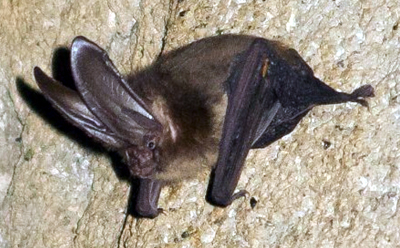
Bat Week has begun and scientists said Oregon’s bats could use some love.
While the nocturnal insectivores are critical for controlling harmful insect populations in forests and on crops, they said the flying mammals are widely misunderstood. Oregon is home to 15 native bat species and all use echolocation to eat hundreds of insects per hour.
Niki Desautels, board president of the volunteer-run nonprofit Bats Northwest, said people need not fear the petite mosquito munchers.
“The more you know about them, the less fear there is in the public, which is a huge thing for bats. That public support is so helpful because it leads to interest, it leads to funding for research, it leads to people being good to their bats,” Desautels emphasized.
The average bat eats almost 50% of its body weight in insects every single night, which Desautels stressed is important to maintain balance in Oregon’s ecosystems and protect what is grown in farm fields. According to the U.S. Geological Survey, insect control from bats saves the agriculture industry more than $3 billion a year.
Oregon health officials said cases of rabies in bats have been on the rise, with 22 infected animals found this year. Despite the increase, Desautels pointed out people are unlikely to be harmed. She noted less than 1% of bat populations tend to include a rabid bat and treatment for rabies is easier and more effective than it used to be.
“Rabies from bats is actually extremely rare. If you keep your pets vaccinated and then teach young kids not to touch wildlife, you’re good,” Desautels advised.
The largest bat in the Pacific Northwest, Desautels explained, is the hoary bat, named for its white frosted fur. While the bat can have a 16-inch wingspan, Desautels stressed they weigh just half an ounce. This time of year, many bats are both migrating south and looking for mates.
“It’s more common to see bats in the fall in unusual places because everybody’s moving across the landscape and a lot of them are babies,” Desautels noted.
Desautels added bats face many threats nationwide, including habitat loss and dropping insect numbers. In the Northwest, a fungus called white-nose syndrome and wind turbine collisions also threaten populations. She suggested people can help by planting native and night-blooming plants to attract insects bats eat, and by not using pesticides.
publicnewsservice.com
Author
